
US–China Summit Puts Supply Chains Back at the Center of Global Trade Talks
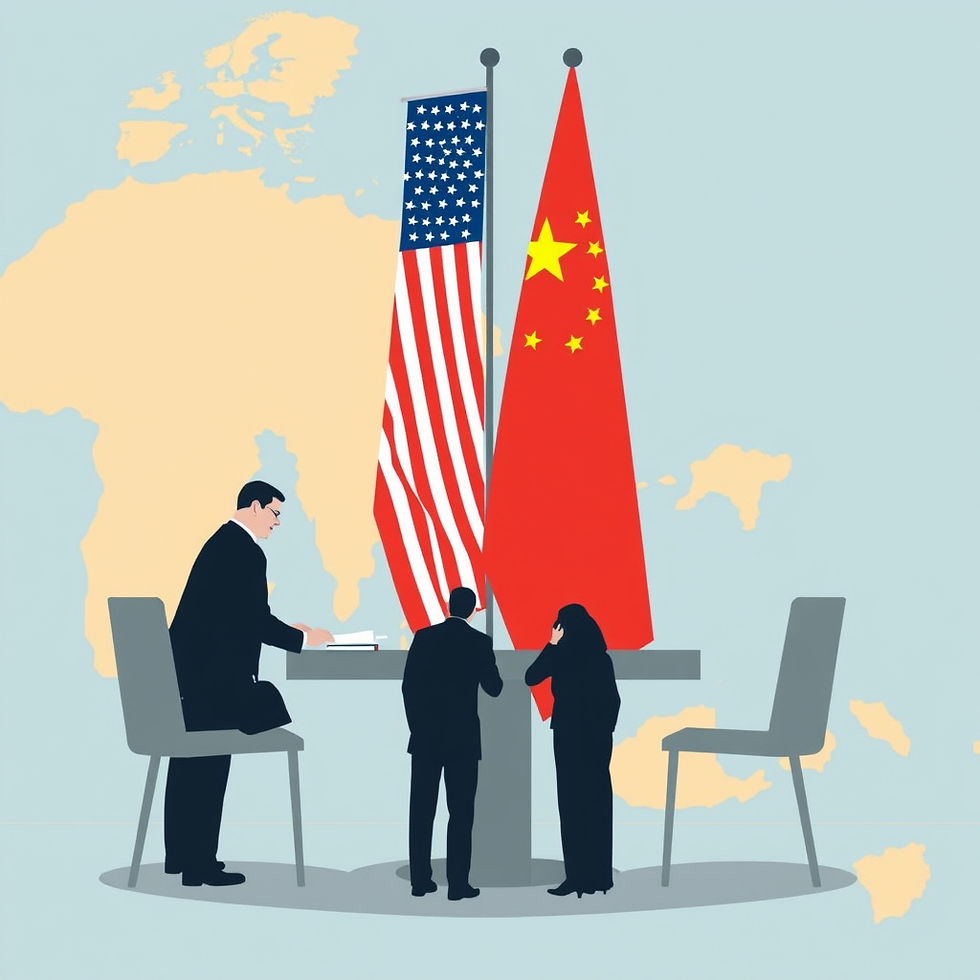
US President Donald Trump is expected to visit Beijing on 14 May for the first US presidential trip to China since 2017, but this meeting is shaping up to be far more than a diplomatic visit.
Behind closed doors, discussions are expected to focus on rare earth exports, semiconductor restrictions, and shipping-related port fees, issues that now sit at the center of the global supply chain battle between the world’s two largest economies.
The timing could not be more critical.
The current 90-day tariff truce between Washington and Beijing is approaching its expiration, increasing pressure on both sides to prevent another escalation in trade restrictions. For manufacturers, logistics operators, and exporters across Asia, the outcome of these talks could directly influence sourcing strategies, freight costs, and supplier decisions for the rest of 2026.
One proposal reportedly being discussed is the creation of a “board of trade” mechanism that would define which products can continue moving between the two economies without triggering national security restrictions. Businesses have struggled for years with sudden tariffs, export bans, and unpredictable policy shifts that disrupted long-term planning. A formal structure could provide much-needed predictability, though many remain skeptical about how stable such a framework would truly be.
Rare earths are expected to remain one of the most sensitive issues in the negotiations. China currently dominates global rare earth processing, giving Beijing major leverage over industries tied to electric vehicles, semiconductors, renewable energy, and defense manufacturing. At the same time, semiconductor restrictions continue tightening as both countries race to secure technological and strategic advantages.
Shipping has also become a growing concern.
Proposed US port fees targeting Chinese-built vessels are already creating uncertainty in global freight markets. Shipping lines and logistics companies are becoming increasingly cautious with long-term pricing and contract commitments as trade policy risks continue to rise.
For businesses across Asia, this summit is no longer just about politics, it is about operational survival, supply chain resilience, and positioning for a world where economic security is becoming just as important as profitability.
This meeting may not fully resolve the broader US-China rivalry, but it could quietly determine the direction of global trade for the next several years. Whether supply chains stabilize or fragment further may depend less on tariffs alone, and more on who controls technology, resources, and the rules of global commerce moving forward.


Bài bạn viết ngắn gọn mà rõ ràng, mình đọc liền một lượt là nắm được ý nên thấy rất dễ theo dõi, cảm ơn bạn nhé. Mình thì gần như ngày nào cũng xem thống kê XSMB, nhưng trước đây toàn phải mở nhiều chỗ khác nhau nên hơi mất thời gian. Thế là mình tự gom lại cho tiện, kiểu cần tra ngày nào thì mở ra xem luôn, đỡ phải lục lại. Mình để chung trên một trang riêng ở soicau247.com để bản thân dùng cho nhanh, chứ cũng chỉ là tổng hợp đơn giản thôi. Nếu bạn cũng hay để ý kết quả cập nhật theo ngày thì có thể ghé xem thử ở đây: https://soicau247.com/xsmn-thu-5-ket-qua-xo-so-mien-nam.html.